
WHAT WE OFFER
What is Infrared Thermography?
Infrared Thermography is a non-destructive technology that uses specialized cameras to detect infrared radiation emitted from objects. Thermography is used to diagnose problems existing in building / infrastructure, electrical / mechanical systems, fluid systems, and can be implemented as part of risk management strategies.
Electrical Inspections
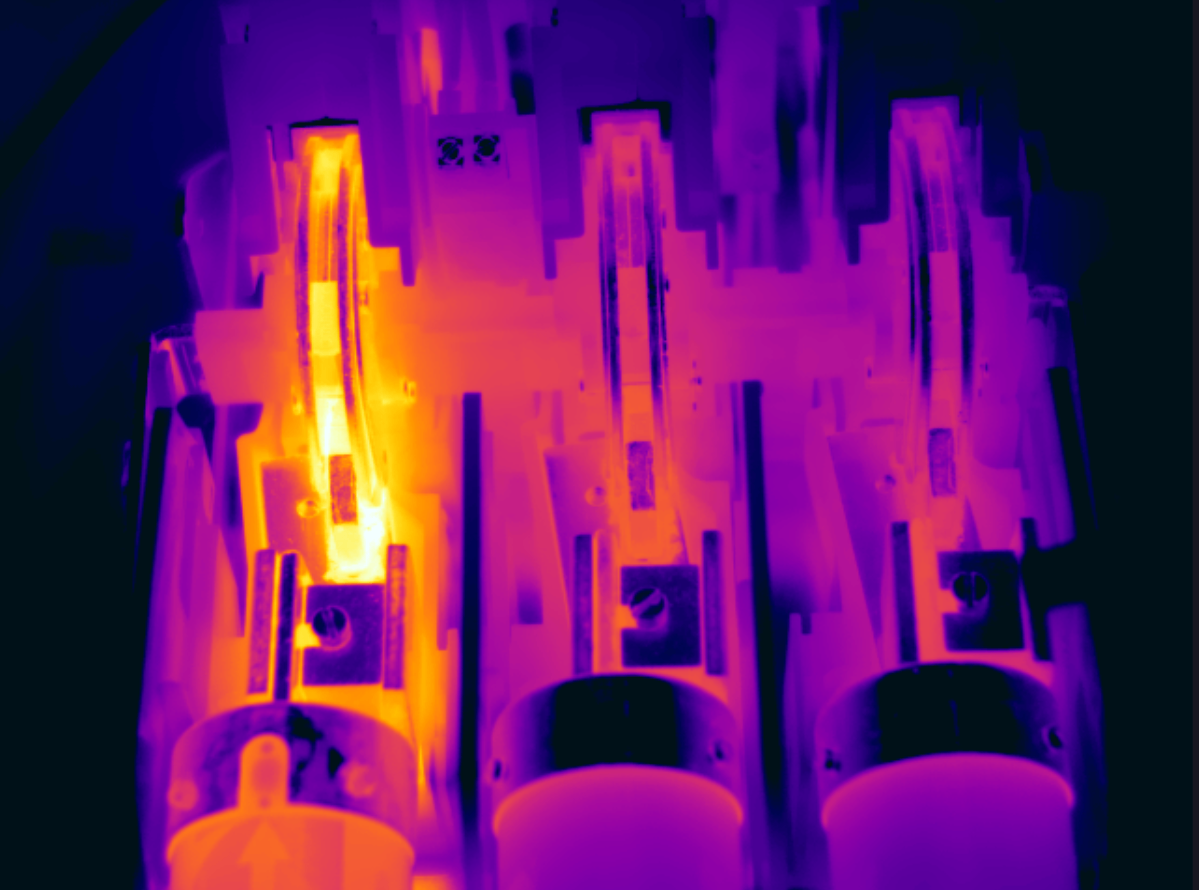
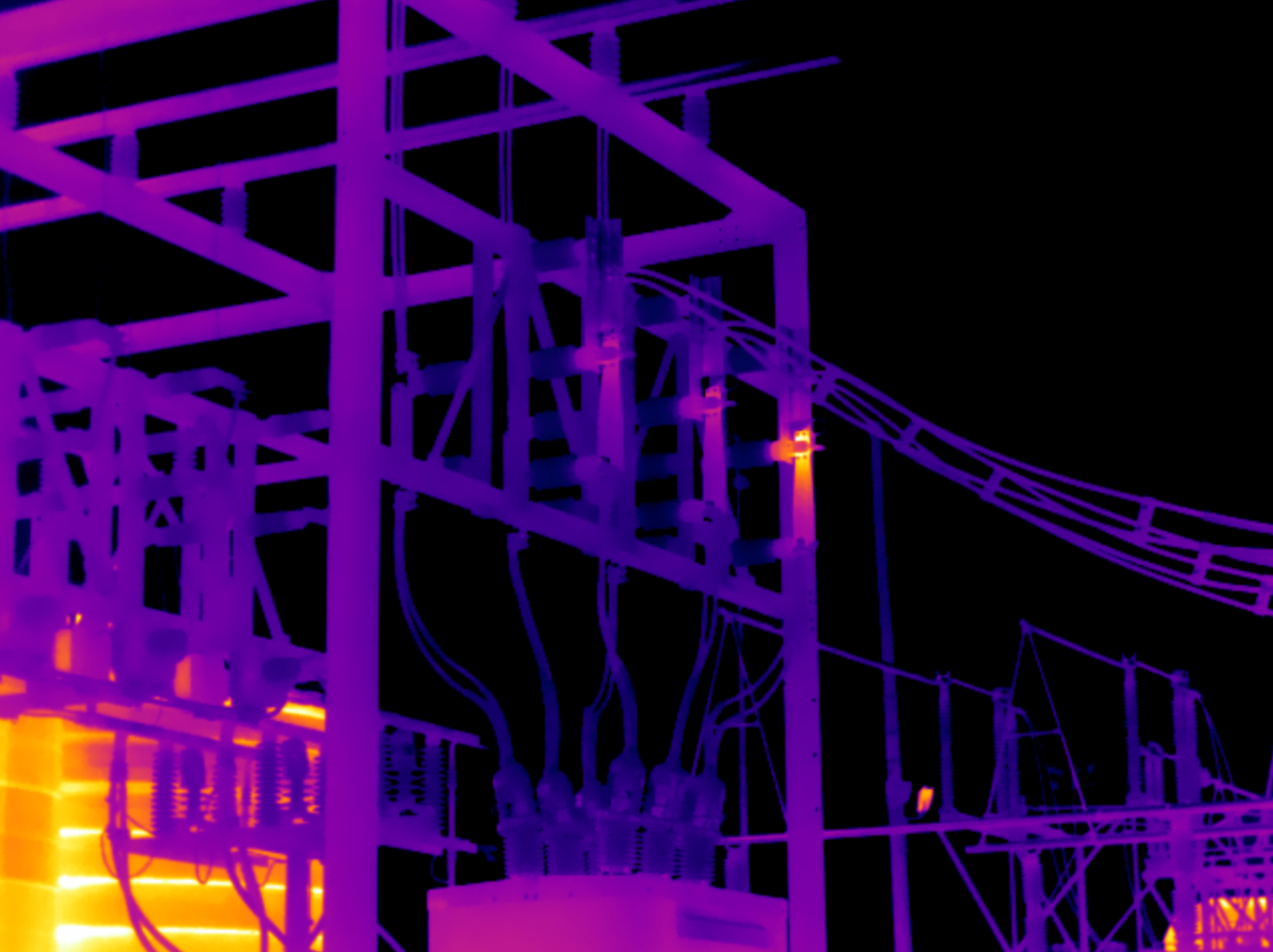
Electrical failures are the leading cause of industrial fires and unplanned downtime. Our certified thermographers scan your entire electrical distribution system — from the utility entrance to branch circuits — identifying heat anomalies that signal dangerous conditions.
25%
of industrial fires are caused by electrical failures (NFPA)
What We Inspect
- Main switchgear and distribution panels
- Motor control centers (MCCs)
- Transformers and substations
- Bus ducts and cable trays
- Disconnect switches and fuses
- UPS systems and battery banks
What We Find
- Overloaded circuits and conductors
- Loose or corroded connections
- Failing breakers and fuses
- Phase imbalances
- Arcing and tracking conditions
- Undersized components
Why it matters: A single loose connection can generate enough heat to start a fire. Thermal imaging finds these conditions during normal operation — no shutdown, no guesswork, no waiting for something to fail.
Your Report Includes
- Thermal and visual images of every anomaly
- Temperature readings and severity ratings
- NFPA 70B compliant findings
- Prioritized repair recommendations
Roof & Building Inspections
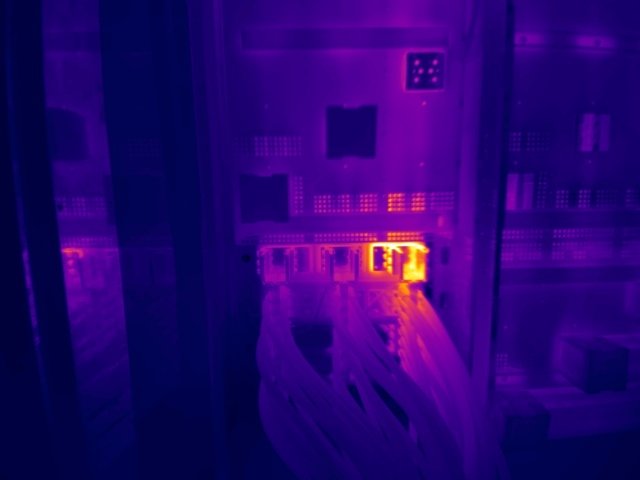
Flat roofs and low-slope building systems are especially vulnerable to moisture infiltration — and the damage is almost always invisible until it's severe. We use infrared thermography to scan flat and low-slope roofs and building envelopes, detecting trapped moisture and insulation failures by capturing the temperature differential between wet and dry materials. It's a fast, non-invasive way to find problems early and protect your investment.
40%
of commercial roofs have undetected moisture damage (NRCA)
What We Inspect
- Low-slope and flat membrane roofs (TPO, EPDM, built-up)
- Building envelope and exterior walls
- Insulation performance and voids
What We Find
- Trapped moisture and wet insulation
- Active water infiltration pathways
- Insulation voids and thermal bridging
- Air leakage points
- Delamination of membrane systems
- Failed seams and flashings
Why it matters: Catching moisture early means targeted repairs instead of full roof replacement. Our inspections help you prioritize maintenance spending and extend the life of your roofing investment.
Mechanical Inspections
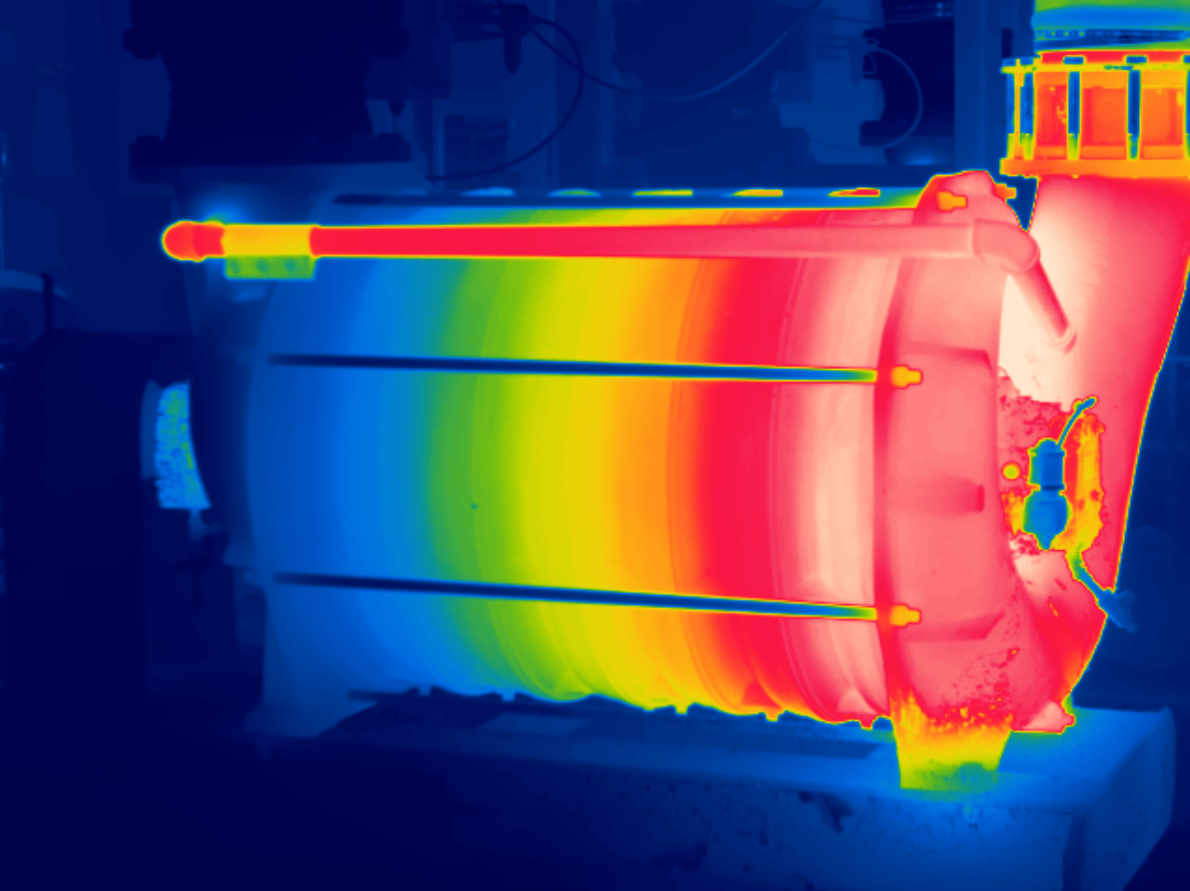
Mechanical equipment gives off heat signatures that tell a story — and that story usually starts long before a breakdown. Our thermographers scan rotating equipment, HVAC systems, and process machinery while they're running, identifying abnormal heat patterns that indicate wear, misalignment, or imminent failure.
What We Inspect
- Electric motors and drives
- Pumps and compressors
- Bearings and couplings
- Conveyor systems and gearboxes
- HVAC equipment and air handlers
- Steam traps and piping systems
What We Find
- Overheating bearings and shafts
- Motor winding failures
- Misalignment and imbalance
- Blocked or failing steam traps
Your Report Includes
- Thermal images with temperature data
- Equipment ID and location mapping
- Failure risk assessment
How It Works
Simple Process, Clear Results
Schedule
Contact us to discuss your facility and schedule an inspection at a time that works for your operation.
Inspect
Our certified thermographers scan your systems during normal operation — no shutdown required.
Report
You receive a detailed written report with thermal images, temperature data, and prioritized findings.
Act
Use our prioritized action list to schedule repairs on your terms — before something fails.
Ready to Schedule an Inspection?
Tell us about your facility and we'll put together a straightforward plan.